
Saint Lucia is a year-round destination, but the experience of visiting in January versus October is genuinely different — different weather, different prices, different crowd levels, and in some cases different availability of outdoor experiences. For a romantic trip where specific moments (a beach proposal, a private dinner, a catamaran day) are central, the timing affects whether those moments work the way you have planned them.
The Dry Season: January to April
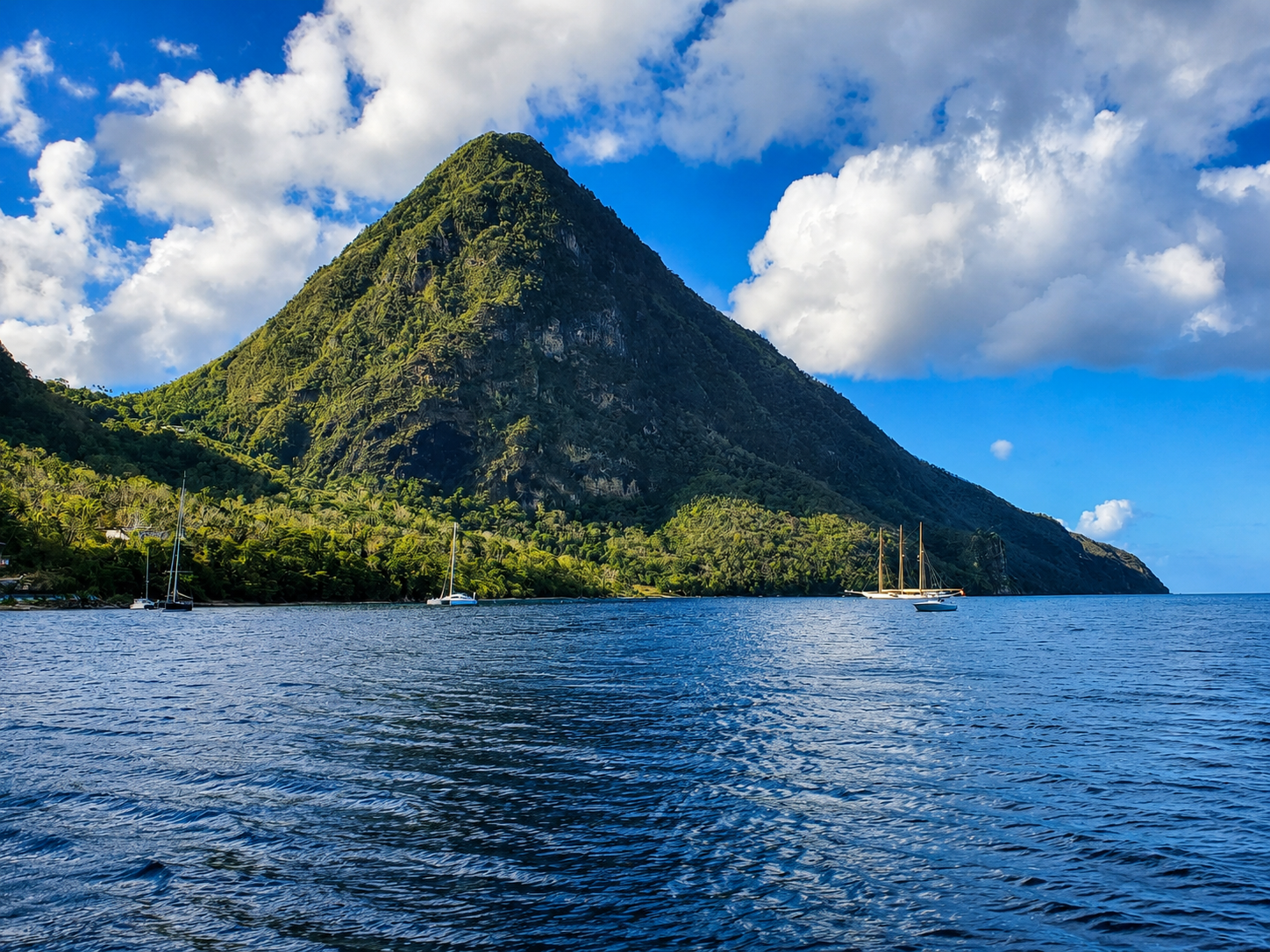
January through April is peak romantic travel season in Saint Lucia, and for good reason. The weather is consistently excellent — low humidity, clear skies, trade winds that keep temperatures comfortable (26–30°C), and very low rainfall. The Piton views are reliably clear. Sunsets are vivid. Beach dinners, catamaran charters, and outdoor proposals can be planned with genuine confidence in the conditions.
The trade-off is price and availability. Top properties (Jade Mountain, Sugar Beach, Ladera) charge peak season rates from December through April — up to 30–40% above shoulder season pricing. Availability at the best resorts for these months often sells out 4–6 months in advance. If you are planning a proposal or honeymoon trip for January–April, book accommodation as early as possible.
Specific notes: December 15–January 15 and Easter week are the most expensive and busiest windows within peak season. February and March offer excellent weather with slightly less crowd pressure than Christmas and New Year. For weather confidence without peak pricing extremes, March is often the best month of the year.
Shoulder Season: May to Early June, November
May, early June, and November represent the sweet spot for couples who want good weather without peak season prices. May and early June sit just before the wet season begins properly — mornings are typically clear, afternoon showers are possible but brief, and the landscape is lush from the transition. Prices at top resorts are 15–25% below peak season. Crowd levels are noticeably lower.
November is particularly strong: the wet season has largely ended, the island is at its greenest and most dramatic, prices have not yet risen to December levels, and the resorts are quiet in a way that makes the experience feel genuinely private. Couples who visit Saint Lucia in November often describe it as the best version of the island they can imagine — the setting is at its most alive and the experience is almost entirely their own.
Weather note: shoulder season weather is reliable but not guaranteed. Build a weather backup for any outdoor-dependent experiences (proposals, beach dinners, catamaran charters) if your trip falls in May, June, or November. See our rain backup guide.
The Wet Season: June to October
The Caribbean's wet season runs June through October, with August and September representing the peak hurricane risk period. Saint Lucia is rarely directly hit by major hurricanes, but passing tropical systems can cause several days of heavy rain, rough seas, and flight disruption. This matters significantly if your trip has specific outdoor moments at its centre.
The wet season is not all bad. Mornings are often beautifully clear and humid in a lush, jungle-fragrant way. Waterfalls run full. The rainforest (accessible via the El Toc trail and various guides) is at its most spectacular. Prices are at their lowest — some Soufrière properties run 40–50% below peak. Couples who are flexible, prioritise privacy and low prices over outdoor-activity certainty, and are willing to build backup plans for weather-dependent moments can have extraordinary trips in June or July.
August and September are the months to avoid if you have an outdoor proposal or specific experience as the centrepiece of the trip. The hurricane risk is real enough that travel insurance becomes essential, and the likelihood of multi-day weather disruption is higher than at any other time of year.
Month-by-Month Summary
January–March: Best weather, highest prices, busiest. Ideal for proposals and outdoor experiences. Book 4–6 months ahead for top properties.
April: Excellent weather. Prices begin to ease slightly. Still strong demand at premium properties.
May: Shoulder season begins. Good to excellent weather. 15–20% price reduction. Good for value-conscious couples.
June–July: Early wet season. Morning sun, afternoon showers possible. 25–35% below peak prices. Lush island. Outdoor experiences work with backup plans.
August–September: Peak hurricane risk. Lowest prices but highest weather uncertainty. Not recommended for itineraries dependent on outdoor moments.
October: Quietest and cheapest month. Late hurricane season. Weather improving. Not ideal for outdoor-centred proposals.
November: Excellent value. Weather improving rapidly. One of the island's most beautiful months. Strong choice for couples who can travel in this window.
December (early): Shoulder turning to peak. Good weather. Prices rising. Book ahead.
December 15–January 5: Peak of peak. Beautiful but expensive. Must-book 6+ months ahead at top properties.
Timing for Specific Trip Types
Honeymoons: January–April for weather certainty and the "classic" peak season experience. November for exceptional value and low crowds. Avoid August–September.
Proposals: The weather window matters most for proposals because outdoor settings are weather-dependent. January–April is the highest-confidence window. If proposing in the wet season, build a weather backup before you leave home.
Anniversaries: More flexible — couples on anniversary trips are often more experienced travellers who can adapt if conditions shift. November and May are strong anniversary months for value and atmosphere.
Babymoons: The second trimester (weeks 14–28) is the recommended travel window for most pregnant travellers. Match the trimester timing to the seasonal window — a second-trimester window that falls in August or September should be shifted to a shoulder season date if possible. Read our babymoon guide for full timing advice.
Practical Weather Notes for Soufrière
The Soufrière valley — where Jade Mountain, Sugar Beach, Ladera, and Anse Chastanet are all located — creates its own microclimate. The Pitons and the surrounding rainforest draw moisture from the sea, which means Soufrière typically receives more rainfall than Rodney Bay in the north, even within the dry season. Brief afternoon showers in Soufrière during January are not unusual; the same day in Rodney Bay might be entirely dry.
This is not a reason to avoid Soufrière — the setting is exceptional and the showers pass quickly. But it is a reason to build weather-flexible plans for outdoor experiences, even in peak season. A resort concierge at any of the Soufrière properties will tell you the same thing.
Frequently Asked Questions
What is the absolute best month to visit Saint Lucia for a honeymoon?
January, February, and March are the top three months for weather reliability and the full tropical experience. For value combined with good weather, November is outstanding. March in particular offers excellent conditions, post-Christmas pricing, and quieter resorts than January and February.
Is August really that bad for a Saint Lucia trip?
August is the single month we advise most couples to avoid for romantic trips with specific outdoor experiences planned. Hurricane risk is highest, wet-season showers are most frequent, and the sea can be rough enough to cancel catamaran charters and beach setups for multiple days. The prices are exceptional, but the weather uncertainty is too high for a trip built around specific moments.
How much cheaper is Saint Lucia in the shoulder season vs peak?
A Jade Mountain Sanctuary priced at $2,000/night in February might be $1,400–$1,600 in May or November. Sugar Beach and Ladera show similar 15–30% reductions. Flights are slightly cheaper in shoulder season too. For a 7-night honeymoon, shoulder season timing can save $2,000–$5,000 on accommodation alone without any meaningful loss of experience quality.
Book it Hand-picked, with real traveller ratings and free cancellation where offered. We may earn a commission if you book, at no extra cost to you. From $145 per person Sail the dramatic west coast to Soufrière aboard a catamaran, framed by the iconic Pitons rising from the sea — one of the most romantic views in the Caribbean. Soak together in the volcanic Sulphur Springs, cool off under Toraille Waterfall side by side, and share a Creole lunch before a snorkelling stop on the way home. ✓ Free cancellation Where to stay Hand-picked, with real traveller ratings and free cancellation where offered. We may earn a commission if you book, at no extra cost to you. From $750/night The most dramatic hotel in the Caribbean. Each open-air sanctuary suite has its own private infinity pool with an entire wall open to the Pitons and Caribbean Sea. No TVs. No phones. No distractions. Pure romance in the most spectacular natural frame on earth. From $500/night Set on a private white-sand beach between the two Pitons inside a UNESCO World Heritage Site. Villa-style accommodation in lush rainforest. The only hotel with direct beach access between both Pitons — and one of the most beautiful beach settings on earth. From $350/night Open-air suites built into the rainforest hillside with the most photographed "missing wall" in the Caribbean — a full wall of each suite open to a panoramic Piton view. Treehouse romance meets jungle privacy. The Dasheene restaurant at sunset is an unmissable Saint Lucia experience. Plan Your Journey Hotels & Resorts Booking.com — Saint Lucia Compare availability and rates at the best resorts in Saint Lucia. Check availability → Tours & Experiences WeGoTrip Curated tours and romantic experiences for couples in the Caribbean. Browse experiences → Activities & Tours Klook Book activities, day tours, and experiences across the Caribbean instantly. Browse experiences → Travel Insurance EKTA Travel insurance designed for international trips — protect your romantic getaway. Browse experiences → Airport Transfers Welcome Pickups Private airport transfers with professional, friendly drivers. Browse experiences → eSIM & Connectivity Airalo Stay connected in the Caribbean with an affordable eSIM — no roaming charges. Browse experiences → This article contains affiliate links. We may earn a commission if you book through these links, at no extra cost to you. We only recommend partners we trust.Book the experiences in this guide
Full-Day Piton Catamaran & Waterfall Tour
Stays mentioned in this guide
Jade Mountain Resort
Sugar Beach, A Viceroy Resort
Ladera Resort
Everything you need to make it happen